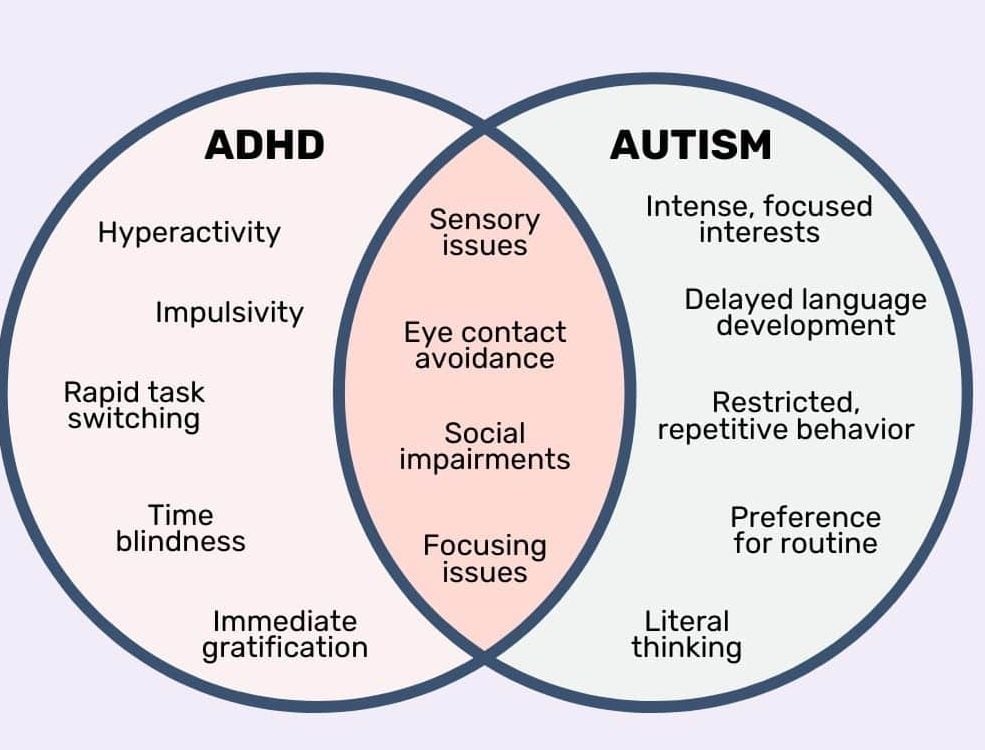
Non-stereotypical autism means a kid with autism might not act like what many people think autism looks like. They can show different behaviors and skills. It’s like they have their own unique way of being autistic.



Non-stereotypical autism means a kid with autism might not act like what many people think autism looks like. They can show different behaviors and skills. It’s like they have their own unique way of being autistic.


How is non-stereotypical autism diagnosed?
Diagnosis of non-stereotypical autism involves a detailed evaluation by healthcare professionals, focusing on the individual’s unique symptoms and behaviors. It often requires a more nuanced approach, considering the diversity in the presentation of autism spectrum disorders.
Can children with non-stereotypical autism attend regular schools?
Yes, many children with non-stereotypical autism can attend regular schools, especially with appropriate support and accommodations tailored to their unique needs. Integration into mainstream education depends on the individual’s social, communication, and learning abilities.
How does non-stereotypical autism differ from more typical forms of autism?
Non-stereotypical autism differs in that individuals may not exhibit the classic symptoms of autism, like repetitive behaviors or significant social communication challenges. Instead, their symptoms can be more subtle, varied, or less aligned with common perceptions of autism.
What kind of support is beneficial for someone with non-stereotypical autism?


Non-stereotypical autism refers to the diverse range of behavioral and cognitive patterns exhibited by individuals with autism spectrum disorder (ASD) that do not align with common stereotypes. This term acknowledges the variability in ASD, emphasizing that symptoms and characteristics can manifest uniquely in each individual. Non-stereotypical autism highlights the fact that the conventional portrayal of autism, often characterized by a narrow set of behaviors and challenges, does not accurately represent the full spectrum of experiences within the autistic community. This understanding is crucial for accurate diagnosis, personalized support, and inclusive representation of individuals with ASD.

Non-stereotypical autism presents a variety of symptoms that may not always be immediately recognizable. These symptoms can vary significantly from one child to another.
| Symptom | Description |
|---|---|
| Unusual Social Interaction | Some kids might seem less interested in making friends or play differently. |
| Unique Communication Patterns | They may use words creatively or prefer non-verbal communication. |
| Varied Interests and Behaviors | Interests might be intense but not always typical for autism. |
| Sensitivity to Sensory Inputs | Unusual reactions to sounds, textures, or lights are common. |
| Flexibility in Routine | They might adapt better to changes than kids with typical autism symptoms. |
Understanding these signs helps in recognizing and supporting each child’s unique needs. Early identification leads to more effective support, enhancing their abilities to navigate social and learning environments.