As someone who has spent countless hours working with kids, I’ve seen firsthand the joy and excitement that comes with learning new things. One of the most important aspects of early childhood education is helping kids develop essential life skills. These skills are not only crucial for their immediate growth but also lay a strong foundation for their future. In this article, we’ll explore three vital life skills for kindergartners: critical thinking, time management, and communication.
Table of Contents
1. Emotional Regulation
Emotional regulation is the ability to manage and express emotions in a healthy and appropriate manner. For kindergartners, this skill is crucial as they navigate new social situations and learn to interact with peers. Teaching your child how to identify and label their emotions is the first step in developing emotional regulation.
One effective way to do this is through role-playing exercises. Create scenarios that elicit different emotions and help your child practice expressing them appropriately. For example, you can act out a situation where a friend takes away a toy, and guide your child in expressing their feelings calmly and assertively. Encourage them to use “I” statements, such as “I feel upset when you take my toy without asking.” This helps them communicate their emotions clearly while avoiding blame or aggression.
Tip: Teach Deep Breathing Techniques
- Show your child how to take deep breaths when they feel overwhelmed or frustrated.
- Practice inhaling slowly through the nose and exhaling through the mouth.
- Make it fun by using props like pinwheels or bubbles to visualize the breathing process.

Read more: How to Manage Anger in Kids
2. Problem-Solving
Problem-solving is another essential life skill that kindergartners need to develop. It involves the ability to identify a problem, brainstorm solutions, and implement the most appropriate one. This skill not only helps children academically but also equips them to handle everyday challenges.
To foster problem-solving skills, present your child with age-appropriate puzzles and brain teasers. Encourage them to think critically and come up with multiple solutions. Praise their efforts and discuss the pros and cons of each approach. This process helps them understand that there can be more than one way to solve a problem and that it’s okay to make mistakes along the way.
| Problem-Solving Steps | Example |
|---|---|
| 1. Identify the problem | “I can’t reach the toy on the high shelf.” |
| 2. Brainstorm solutions | “I could ask for help, use a stool, or find a different toy.” |
| 3. Choose a solution and try it | “I’ll ask my parent for help.” |
| 4. Evaluate the outcome | “Asking for help worked! I got the toy safely.” |
3. Self-Help Skills
Self-help skills are the everyday tasks that children learn to do independently, such as dressing themselves, brushing their teeth, and packing their backpacks. These skills not only promote autonomy but also boost self-confidence and self-esteem. When children feel capable of taking care of themselves, they develop a sense of pride and accomplishment.
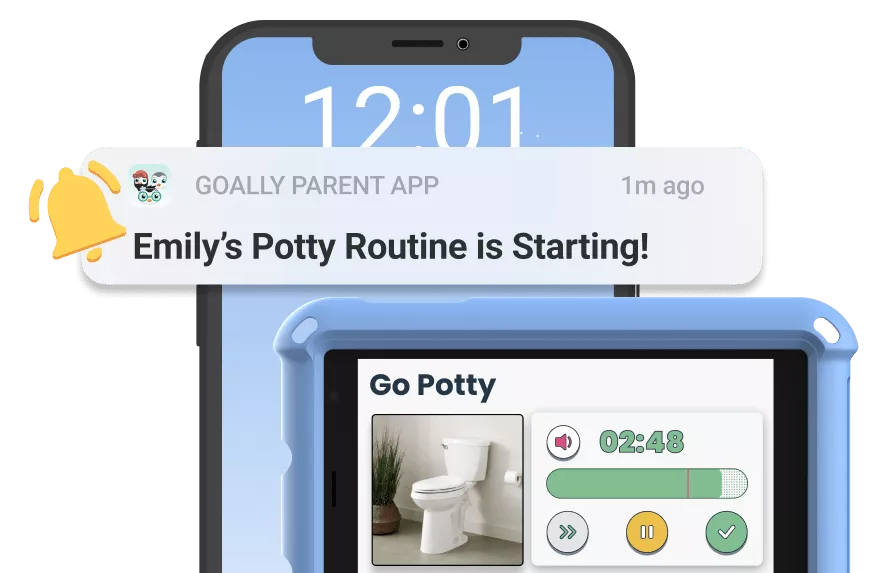
To encourage self-help skills, create a routine chart with pictures or drawings of each task. This visual aid helps children remember the steps and sequence of activities. Break down complex tasks into smaller, manageable steps and provide guidance as needed. For example, when teaching your child to tie their shoelaces, start by demonstrating the process slowly and then let them practice each step with your support. Celebrate their progress and offer praise for their efforts, even if the result isn’t perfect.
Tip: Use Positive Reinforcement
- Create a sticker chart or reward system to acknowledge your child’s self-help accomplishments.
- Offer specific praise, such as “Great job putting on your jacket all by yourself!”
- Encourage persistence and reassure them that practice makes progress.
Goally | 100+ Streaming Video Classes
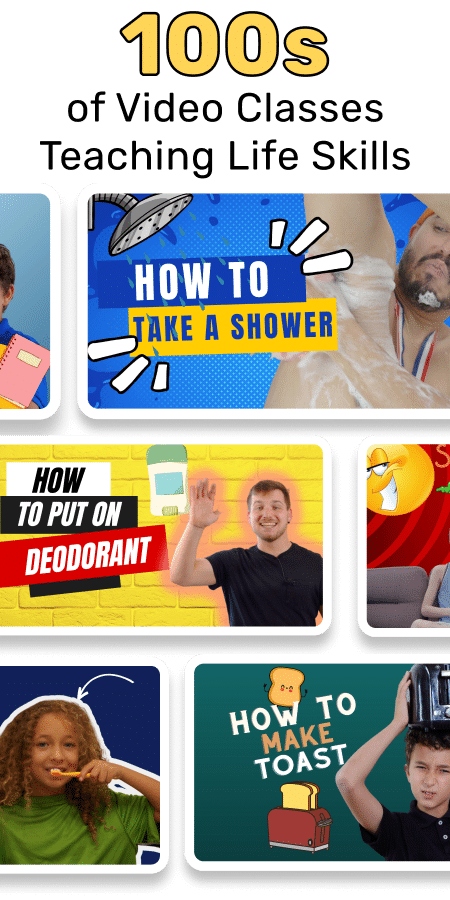
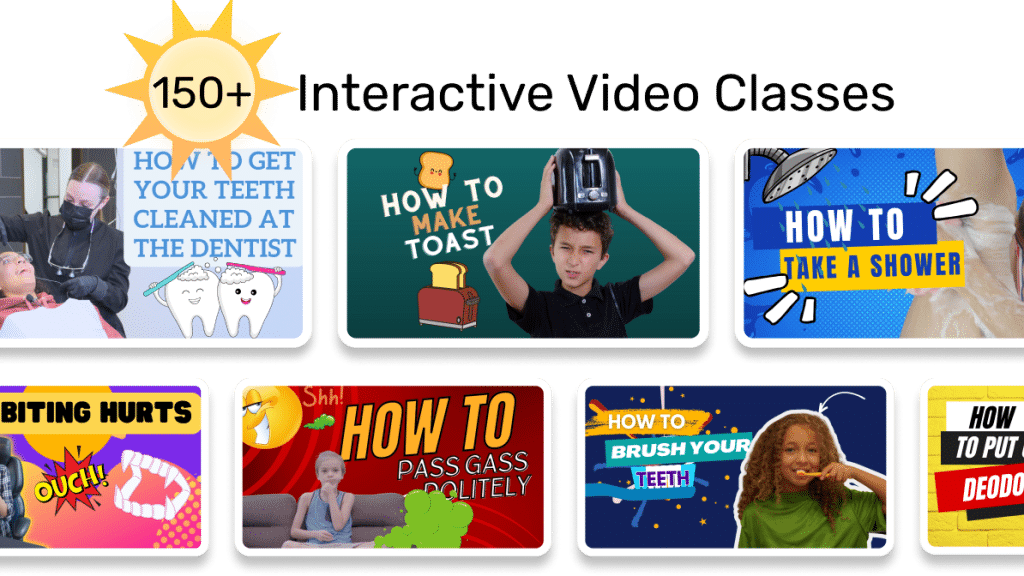
Does your child need some extra guidance on building essential life skills? Goally’s skill building tablet for kids includes a TV app that has the most robust video library of skills training videos for kids. Ranging from content like “How to Brush Your Teeth” to “How to Make Friends at School,” we have dozens of interactive video lessons for kids with thinking and learning differences.
HERE’s a video explaining how to works.
In conclusion, emotional regulation, problem-solving, and self-help skills are three essential life skills that every kindergartner should develop. By providing guidance, support, and opportunities for practice, you can help your child master these skills and set them up for success in school and beyond. Remember, each child develops at their own pace, so be patient and celebrate their individual progress along the way.
Resources:
FAQs about Life Skills for Kindergartners
What are some essential life skills for kindergartners?
Essential life skills for kindergartners include self-control, creativity, and physical coordination. These skills help kids manage their emotions, think innovatively, and perform everyday tasks effectively.

How can I help my child develop self-control?
Games like "Simon Says" and "Red Light, Green Light" are excellent for practicing self-control. These activities teach kids to listen carefully and follow instructions.

Why is creativity important for young children?
Creativity helps kids develop problem-solving skills and fosters their ability to think outside the box. Encouraging creative play also enhances their cognitive and emotional development.

What activities improve fine motor skills in kindergartners?
Activities like cutting with scissors, threading beads, and playing with building blocks improve fine motor skills. These tasks help kids develop the dexterity needed for writing and other precise movements.

How does physical coordination benefit my child?
Physical coordination is crucial for overall health and helps kids engage in various physical activities. It enhances their confidence and supports healthy development, including preventing obesity and improving cardiovascular health.
This post was originally published on August 29, 2023. It was updated on June 7, 2024.

Goally
We help parents teach their kids life skills, like doing bedtime and morning independently. Backed by science, we incorporate evidence-based practices and expert-informed designs in all of our apps and content.