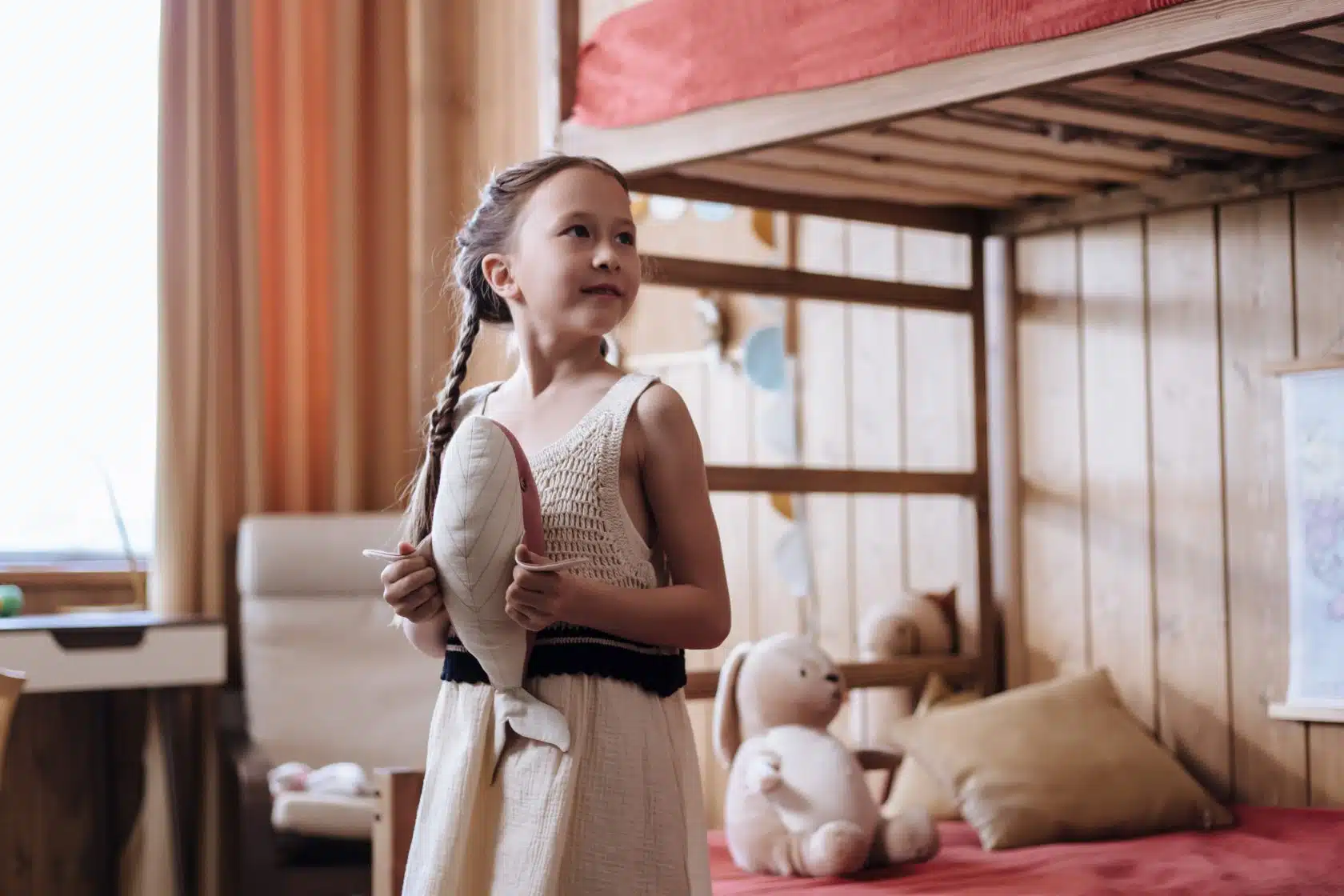
An Epicanthal Fold is a small fold of skin near the corner of the eye, close to the nose. Think of it like a tiny curtain that partly covers the inner side of the eye, which some people have, and some don’t.



An Epicanthal Fold is a small fold of skin near the corner of the eye, close to the nose. Think of it like a tiny curtain that partly covers the inner side of the eye, which some people have, and some don’t.


Is an Epicanthal Fold a sign of a health problem?
Usually, an Epicanthal Fold is not a sign of a health problem. It can be associated with certain conditions, but it’s often just a normal variation.
Can Epicanthal Fold be treated or corrected?
Treatment for Epicanthal Fold is rarely needed. In some cases, surgical intervention may be an option if it affects vision or appearance.
How can I tell if my child has an Epicanthal Fold?
An Epicanthal Fold can be seen as a noticeable skin fold at the inner corner of the eye. A healthcare provider can confirm if it’s present and provide guidance.


An Epicanthal Fold refers to a prominent skin fold of the upper eyelid that covers the inner corner of the eye, often extending toward the nose. This fold is a standard anatomical variant seen in many populations and may be more pronounced in certain ethnic groups. An Epicanthal Fold can sometimes be associated with specific genetic or chromosomal conditions.

The presence of an Epicanthal Fold itself usually does not require treatment as it’s often a normal part of a person’s eye shape. However, in some cases, a doctor may want to explore further:
The long-term prognosis is generally positive, as an Epicanthal Fold itself usually doesn’t cause health problems. It might diminish with age or remain a natural feature of the eye.
For kids with or without an Epicanthal Fold, our product, Goally, can be a fun and educational tool. It offers interactive and engaging apps that help children learn life and language skills, from brushing their teeth to bedtime routines. By offering digital visual schedules and gamified learning, Goally supports the overall development of a child, making everyday tasks enjoyable and accessible.
| This post was originally published on August 7, 2023 |