Trusted by over 100,000+ Parents

What is Developmental Dysphasia?

Home>>Neurodiversopedia>>D Terms

Summary

summary

Developmental dysphasia, also known as Specific Language Impairment (SLI), is a condition that affects a person’s ability to use and understand language. It can make it difficult for individuals to express their thoughts and ideas or to comprehend spoken or written words. This can sometimes lead to challenges in communication and learning.

Frequently Asked Question

donut

Can Developmental Dysphasia be outgrown?

While some children may show improvement over time, Developmental Dysphasia typically requires intervention and support. Early diagnosis and targeted therapies greatly increase the chances of improving language skills.

How is Developmental Dysphasia diagnosed?

Diagnosis involves a comprehensive evaluation by a speech-language pathologist or a developmental pediatrician, who assesses the child’s language abilities and rules out other possible causes for the language difficulties.

Can Developmental Dysphasia affect other areas of development?

Developmental Dysphasia primarily affects language skills, but it can indirectly impact other areas such as academic performance, social interactions, and emotional well-being.

Can children with Developmental Dysphasia attend regular schools?

Yes, children with Developmental Dysphasia can attend regular schools with appropriate accommodations and support. Individualized education plans (IEPs) or 504 plans can be developed to address their specific needs and ensure they receive necessary academic and language support.

Scientific Definition

scientist

Developmental dysphasia, scientifically referred to as Specific Language Impairment (SLI), is a neurodevelopmental disorder characterized by significant language acquisition and use difficulties. Children with developmental dysphasia demonstrate persistent language impairments not attributable to other conditions, such as hearing loss, intellectual disability, or neurological disorders. They may need help with vocabulary development, grammar, sentence structure, and overall language comprehension. Developmental dysphasia is typically identified during early childhood and can have a long-lasting impact on an individual’s communication skills and academic progress. Early intervention and specialized support can greatly benefit children with this condition, helping them develop effective communication strategies and improve their language abilities.

Treatment for Developmental Dysphasia

Early intervention and targeted therapies play a crucial role in supporting language development and communication skills when treating Developmental Dysphasia. Here are some effective approaches that can help:

  • Speech and Language Therapy: Engage your child in regular sessions with a qualified speech-language pathologist who can provide individualized therapy targeting language and communication challenges.
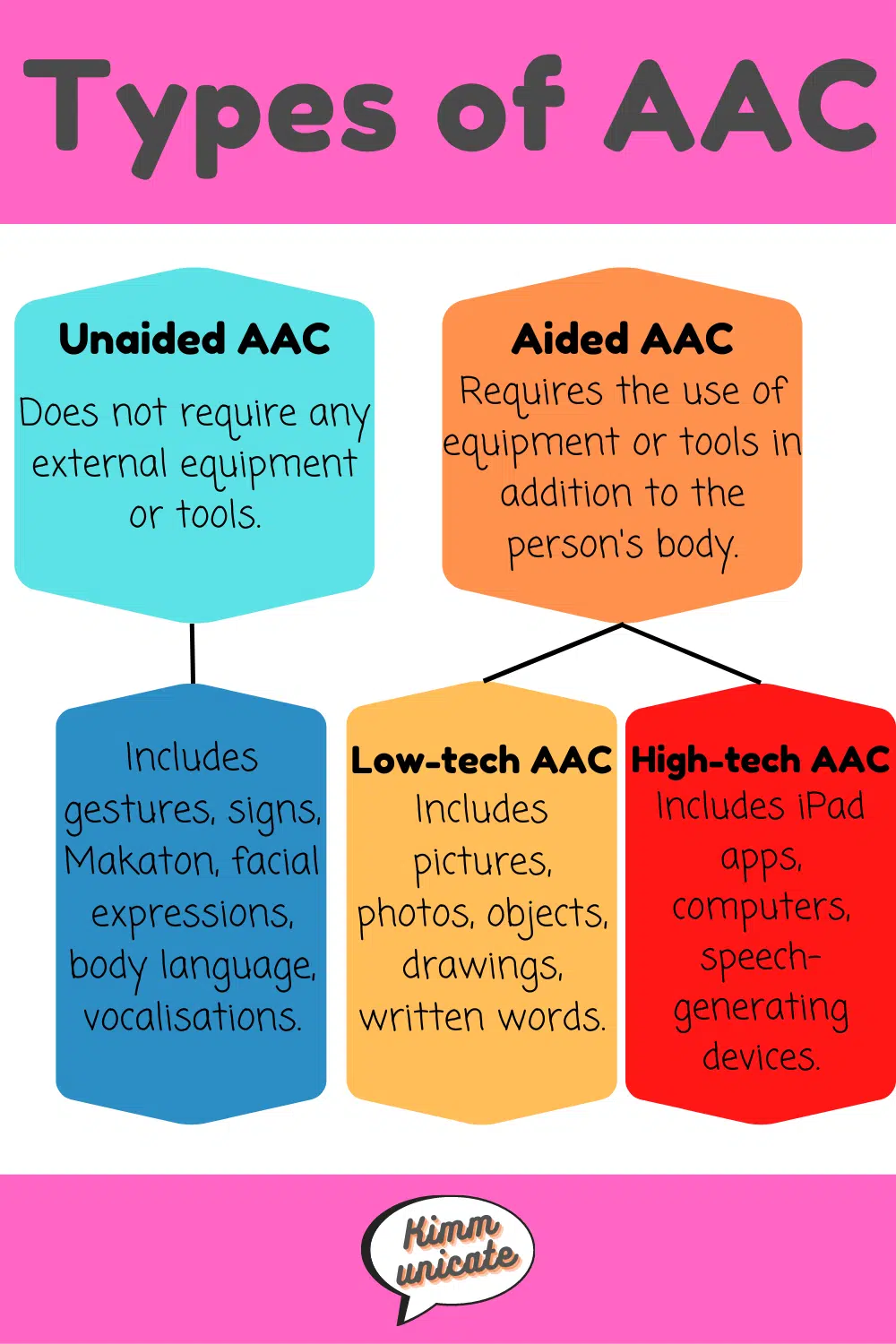
  • Augmentative and Alternative Communication (AAC): Explore the use of AAC devices or apps that can assist your child in expressing themselves, such as picture-based communication systems or speech-generating devices.
  • Structured Language Programs: Enroll your child in structured language programs focusing on building vocabulary, grammar, and overall language skills.
  • Parent Involvement: Work closely with professionals to learn strategies for supporting language development at home. Create a language-rich environment and engage in activities that encourage communication.

Each child’s prognosis may vary, but with ongoing support and targeted interventions, they can develop effective communication skills and successfully navigate social and academic settings.

Symptoms of Developmental Dysphasia

Children with Developmental Dysphasia may exhibit various symptoms that affect their language skills. Here are some common signs to look out for:

  • Late onset of speech or delayed language development.
  • Difficulty pronouncing words or producing sounds correctly.
  • Limited vocabulary and difficulty finding the right words.
  • Trouble forming grammatically correct sentences.
  • Challenges understanding complex instructions or following conversations.
  • Struggles with reading and writing skills.
  • Social communication difficulties, such as trouble initiating or maintaining conversations.

If you notice these symptoms in your child, seek a professional evaluation from a speech-language pathologist or developmental pediatrician. Goally, a tablet-based solution, provides interactive apps for kids with Developmental Dysphasia. It helps build essential life and language skills through digital visual schedules, AAC, gamified learning, and skill training videos. Goally empowers children to improve language abilities, navigate routines, and foster growth and independence.


Editor’s note: This information is not meant to diagnose or treat and should not take the place of personal consultation, as needed, with a qualified healthcare provider and/or BCBA.