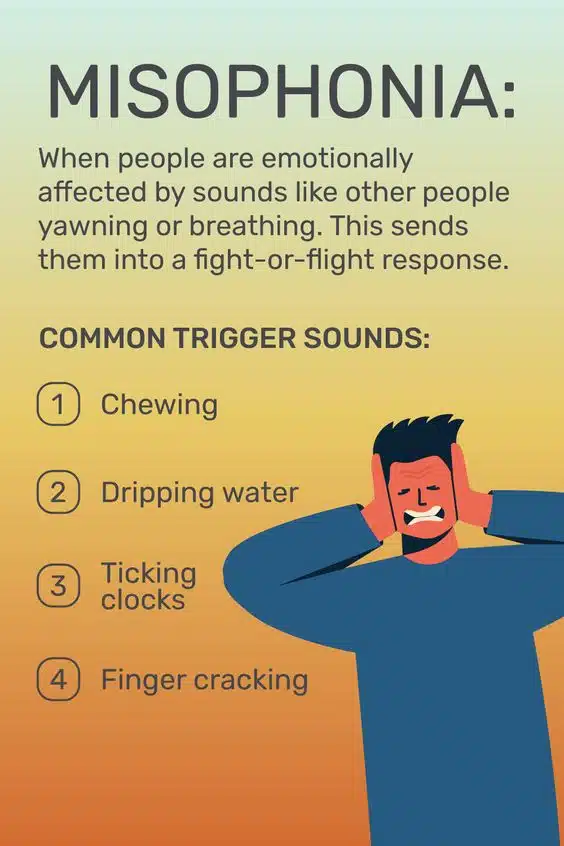
Individuals with misophonia autism may exhibit specific symptoms when exposed to triggering sounds. Recognizing these symptoms is crucial in understanding and managing the condition effectively.
- Strong emotional reactions (e.g., anger, irritability, anxiety) when exposed to specific sounds.
- Physical responses such as increased heart rate, sweating, or muscle tension.
- Difficulty focusing or concentrating when triggered by certain sounds.
- Avoidance behaviors, such as leaving the room or covering ears, to reduce exposure to triggers.
- Heightened sensitivity to repetitive or patterned sounds.
- Impact on daily functioning, including disruptions in sleep, social interactions, and academic or work performance.
If your child experiences intense reactions to certain sounds, it may be misophonia autism. Goally, a tablet tool, offers apps that support language skills and routines with visual schedules, AAC capabilities, and gamified learning. Additionally, Goally’s apps for emotional regulation, executive functioning, and social skills help manage triggers and enhance well-being.
Editor’s note: This information is not meant to diagnose or treat and should not take the place of personal consultation, as needed, with a qualified healthcare provider and/or BCBA.