Working with kids who have ADHD has always been one of the most rewarding parts of my career. Their creativity, energy, and unique perspectives make every day interesting. However, I also see firsthand the challenges they and their parents face, especially when it comes to emotional regulation. Finding the best ADHD medication for emotional regulation can be a game-changer. This blog will explore different medications that help manage emotional outbursts, improve focus, and enhance overall well-being for neurodivergent kids. Let’s dive into the various options, their benefits, and how they can make a significant difference in your child’s life.
Table of Contents
Understanding ADHD and Emotional Regulation
ADHD, or Attention Deficit Hyperactivity Disorder, affects many kids, leading to difficulties in focus, hyperactivity, and impulsivity. One of the less-discussed aspects of ADHD is emotional dysregulation, which can manifest as frequent mood swings, intense emotional reactions, and difficulty managing feelings. Emotional regulation is crucial for social interactions, academic success, and overall mental health.
It’s important to understand that ADHD isn’t just about hyperactivity or inattentiveness; it’s also about managing emotions. The best ADHD medication for emotional regulation can help kids control their emotions better, leading to improved relationships and a more stable daily life.

Read more: What’s the Best ADHD Medication for a Child With Anxiety?
Types of ADHD Medications
ADHD medications are generally categorized into two types: stimulants and non-stimulants. Each type works differently and has its own benefits and potential side effects. Let’s explore how these medications can aid in emotional regulation.
Stimulant Medications
Stimulants are the most commonly prescribed medications for ADHD. They work by increasing the levels of certain neurotransmitters in the brain, which helps improve focus and reduce impulsivity and hyperactivity. Popular stimulant medications include Adderall, Ritalin, and Vyvanse.
Adderall: Adderall is a combination of amphetamine and dextroamphetamine. It’s known for its effectiveness in improving focus and reducing impulsivity. For emotional regulation, Adderall can help kids feel more in control of their emotions, reducing the frequency of outbursts.
Ritalin: Ritalin contains methylphenidate and is another popular choice. It has a shorter duration of action compared to Adderall, which can be beneficial for managing emotional regulation throughout specific parts of the day.
Vyvanse: Vyvanse is a prodrug, meaning it’s inactive until the body metabolizes it. This leads to a smoother onset and longer duration of effect, making it an excellent option for consistent emotional regulation throughout the day.
Non-Stimulant Medications
Non-stimulant medications are an alternative for kids who may not respond well to stimulants or experience adverse side effects. These medications include Strattera, Intuniv, and Kapvay.
Strattera: Strattera (atomoxetine) is the only non-stimulant medication approved by the FDA for ADHD. It works by increasing the levels of norepinephrine, which helps improve attention and emotional control.
Intuniv: Intuniv (guanfacine) is typically used as an adjunct to stimulant medication but can be effective on its own. It helps reduce impulsivity and emotional reactivity, providing a calming effect.
Kapvay: Kapvay (clonidine) is another non-stimulant that can help with emotional regulation. It is often used to manage symptoms of aggression and hyperactivity, improving overall emotional stability.
Choosing the Right Medication
Finding the best ADHD medication for emotional regulation requires a collaborative approach involving parents, doctors, and sometimes teachers. Every child is unique, and what works for one may not work for another. Here are some factors to consider:
- Individual Response: Monitor how your child responds to the medication. Adjustments may be necessary to find the optimal dosage and type.
- Side Effects: Be aware of potential side effects and communicate with your doctor to manage them effectively.
- Lifestyle and Preferences: Consider your child’s daily routine and preferences. Some medications may need to be taken multiple times a day, while others are once daily.
- Long-term Management: Regular follow-ups with your healthcare provider are essential to ensure the medication continues to meet your child’s needs as they grow and develop.
Real-Life Success Stories
Over the years, I’ve seen many kids benefit from finding the right medication for emotional regulation. One child I worked with struggled with intense emotional outbursts that affected his school performance and friendships. After trying several medications, his parents and doctor found that a combination of Vyvanse and Intuniv worked best for him. The difference was remarkable – he became more focused, calmer, and his emotional outbursts decreased significantly.
Another family found success with Strattera. Their daughter, who had difficulty with both focus and emotional regulation, responded well to the non-stimulant. It provided the balance they needed without the side effects they experienced with stimulants.
Research and Statistics
Studies show that approximately 70-80% of children with ADHD respond well to stimulant medications, which can significantly improve their emotional regulation and overall quality of life. Non-stimulant medications, while less commonly prescribed, are effective for about 40-50% of children with ADHD who do not respond to stimulants.
Try Goally For Your Child With ADHD
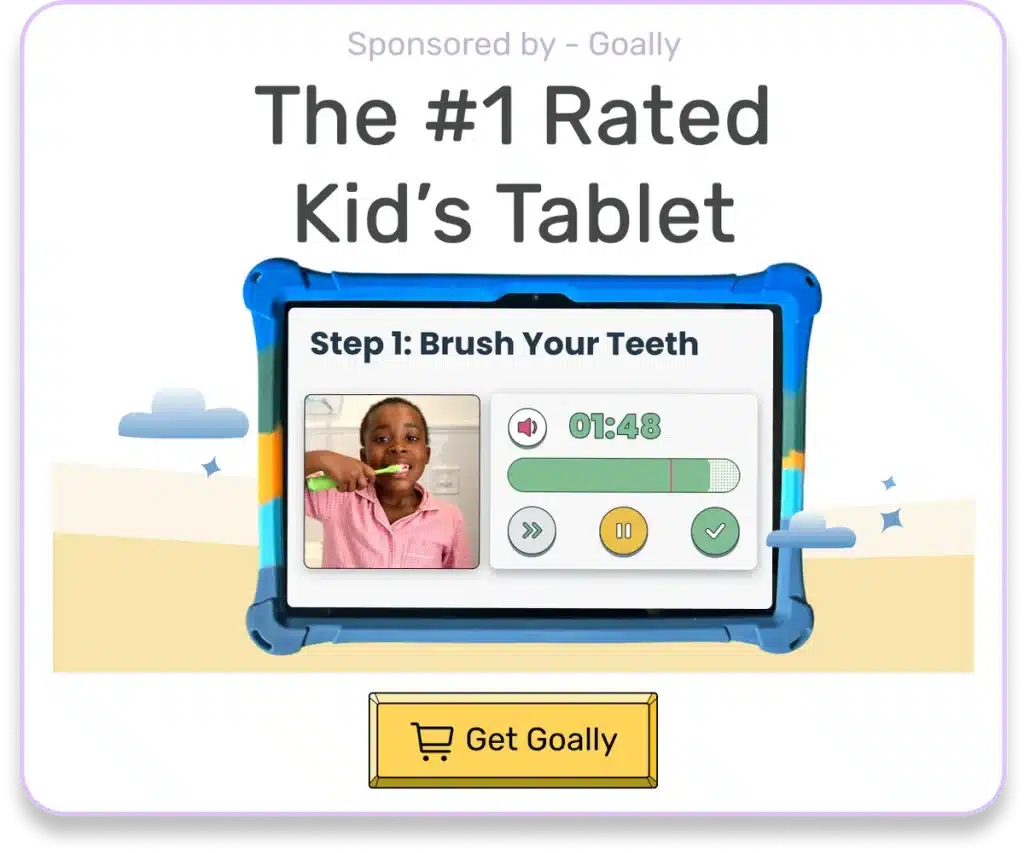
Goally helps kids with ADHD stay focused and build skills. Unlike a Kindle or an iPad that kids get easily distracted on, Goally has no YouTube, no social media, no web browser, and especially no ads.
Goally uses game play as a points-based motivator for your kiddo with ADHD and helps them learn emotional regulation skills. It’s simple to set up and has an expert-informed design.
Finding the best ADHD medication for emotional regulation can transform your child’s daily life, helping them manage emotions more effectively and improving their overall well-being. By working closely with healthcare providers, monitoring responses, and being open to adjustments, you can find the right solution for your child’s unique needs.
Resources:
- CDC – Attention-Deficit / Hyperactivity Disorder (ADHD)
- CHADD – Children and Adults with Attention-Deficit/Hyperactivity Disorder
- American Academy of Pediatrics
FAQs about Best ADHD Medication for Emotional Regulation
What is the best ADHD medication for emotional regulation?
The best ADHD medication for emotional regulation varies for each child. Commonly prescribed options include stimulants like Adderall and Ritalin, as well as non-stimulants like Strattera and Intuniv.

How do ADHD medications help with emotional regulation?
ADHD medications help by balancing neurotransmitters in the brain, improving focus, reducing impulsivity, and stabilizing mood swings. This helps kids better control their emotions and reactions.

Are stimulant medications better than non-stimulants for emotional regulation?
Both stimulants and non-stimulants can be effective for emotional regulation, but their effectiveness depends on the individual child. Stimulants tend to work faster, while non-stimulants may have fewer side effects.

What are the common side effects of ADHD medications used for emotional regulation?
Common side effects of ADHD medications include appetite loss, sleep disturbances, and mood swings. It's important to work with a healthcare provider to monitor and manage any side effects.

How long does it take to see improvements in emotional regulation with ADHD medication?
Improvements in emotional regulation can often be seen within a few days to a few weeks after starting medication. However, finding the right medication and dosage may take some trial and error with the guidance of a healthcare provider.
This post was originally published on 06/08/2023. It was updated on 07/05/2023.

Goally
We help parents teach their kids life skills, like doing bedtime and morning independently. Backed by science, we incorporate evidence-based practices and expert-informed designs in all of our apps and content.