You know that burst of energy your child shows as they hop from one activity to another, their enthusiasm appearing limitless? It’s pretty common among youngsters, but how can we tell if it’s just typical exuberance or something more? You might be wondering: what does mild ADHD look like in kids? As a parent, it’s essential to understand the intricacies of Attention Deficit Hyperactivity Disorder (ADHD) to provide the right support for your child. In this blog post, we’ll explore the signs of mild ADHD, discuss how it may impact your child’s life, and offer practical advice to help you navigate this journey together.
Table of Contents
Spotting the Signs: What Does Mild ADHD Look Like in Kids?
ADHD manifests itself in various ways, with symptoms ranging from mild to severe. Although each child’s experience is unique, there are some common signs to look out for. In this section, we’ll dive into these signs and provide a helpful table to make it easier for you to identify potential symptoms in your child.
| Signs of Mild ADHD |
|---|
| Inattention and difficulty focusing on tasks |
| Forgetfulness in day-to-day activities |
| Impulsivity, such as interrupting others or acting without thinking |
| Fidgeting and restlessness |
| Difficulty following instructions |
| Struggles with organization and time management |
For neurodivergent kids with mild ADHD, these symptoms might be less obvious, making it harder to identify the condition. However, recognizing these signs early on is crucial to provide the necessary support for your child’s growth and development.

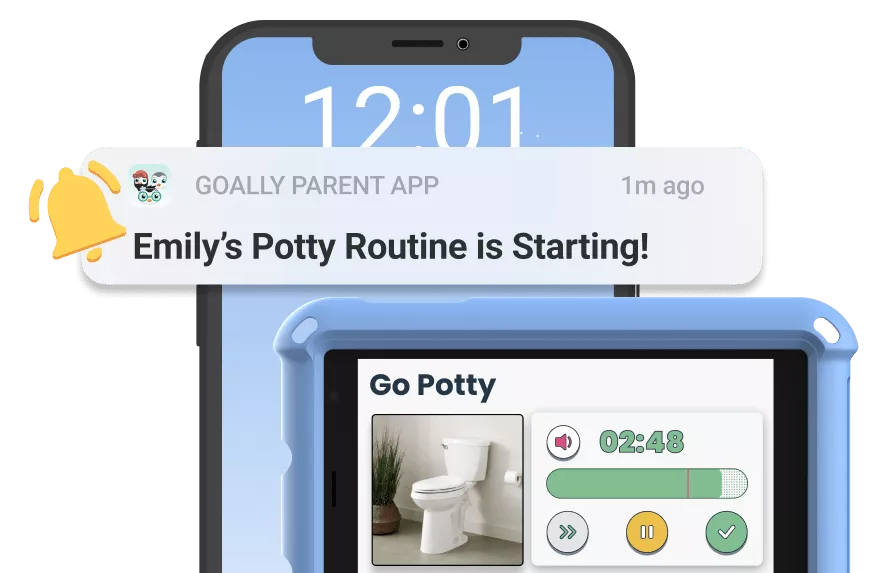
Customize visual schedules that teach kids independence. No more nagging, no more stress.
Read more: Do Kids With ADHD Live Normal Life?
Life Impact: How Mild ADHD Affects Kids’ Lives
While mild ADHD might not be as disruptive as more severe cases, it can still significantly impact your child’s life. Some of the areas that may be affected include academics, social relationships, and emotional well-being. Let’s break down each area and how mild ADHD can play a role in your child’s experiences.
1. Academics
Children with ADHD might struggle to concentrate in class, leading to difficulties in learning and retaining information. Mild ADHD can also affect organization and time management skills, which often results in missed deadlines and incomplete assignments. These academic challenges can lead to a cycle of frustration and disappointment, making it essential for parents and educators to work together to support the child’s needs.
2. Social Relationships
Impulsivity and difficulties controlling emotions can make it challenging for kids with ADHD to build and maintain friendships. They might unintentionally interrupt conversations or have trouble understanding social cues, leading to misunderstandings with their peers. These social struggles can be disheartening for both the child and their parents, but with the right support and guidance, kids can learn to navigate these hurdles.
3. Emotional Well-being
Children with mild ADHD may experience feelings of frustration and low self-esteem as they try to meet expectations at school and in social settings. This can contribute to increased stress and anxiety for both the child and their family. It’s essential to recognize these emotions and provide a supportive environment to help your child build resilience and confidence.

Read more: Does ADHD Get Better With Age?
Navigating the Journey: Supporting Your Child with Mild ADHD
As a parent, understanding your child’s unique needs is the first step toward providing appropriate support. In this section, we’ll explore various strategies to help your child thrive and overcome the challenges they may face due to mild ADHD.
1. Collaborate With Educators
Work closely with your child’s teachers and school staff to create an individualized education plan (IEP) tailored to their specific learning needs. This may include accommodations, such as extra time on tests or preferential seating, to help your child succeed academically. Open communication is key to ensuring your child receives the support they need from both home and school.
2. Establish Routines and Structure
Creating a consistent daily routine can help kids with ADHD build predictability and stability in their lives. Establish clear expectations and provide structure with visual reminders, such as charts and calendars, to help your child stay organized and manage their time effectively. Consistency is crucial for kids with ADHD, so try to maintain a daily routine that caters to their needs and allows for flexibility when necessary.

Read more: How Do Doctors Test for ADHD?
3. Encourage Physical Activity
Regular exercise has been shown to improve focus and reduce impulsivity in children with ADHD. Encourage your child to engage in physical activities they enjoy, whether it’s team sports, dance, or simply playing at the park. Physical activity not only benefits their ADHD symptoms but also promotes overall health and well-being.
4. Seek Professional Support
Consult with a pediatrician or mental health professional to discuss potential interventions and therapies for your child. They may recommend strategies like behavior modification, social skills training, or medication to help manage ADHD symptoms. Remember, it’s essential to be proactive and seek professional guidance to ensure your child receives the support they need.
Celebrating Your Child’s Unique Strengths
While mild ADHD can present challenges for your child, it’s essential to recognize and celebrate their unique strengths. Neurodivergent kids often display creativity, resilience, and empathy that can enrich their lives and the lives of those around them. With the right support, your child can harness their abilities and thrive in all aspects of life.
Try Goally For Your Child With ADHD
Goally is an excellent option for many families that have a child with ADHD. Use game play as a points-based motivator for your kiddo with ADHD, help them learn emotional regulation skills, and watch them grow! It’s simple to set up and has an expert-informed design.
Understanding what mild ADHD looks like in kids is vital for providing the necessary support and guidance throughout their journey. By recognizing the signs, collaborating with educators, and implementing effective strategies, you can help your child overcome challenges and embrace their unique strengths. Remember, you’re not alone in this journey – together, we can create a brighter future for our neurodivergent kids.
This post was originally published on 05/06/2023. It was updated on 08/11/2023.

Goally
We help parents teach their kids life skills, like doing bedtime and morning independently. Backed by science, we incorporate evidence-based practices and expert-informed designs in all of our apps and content.