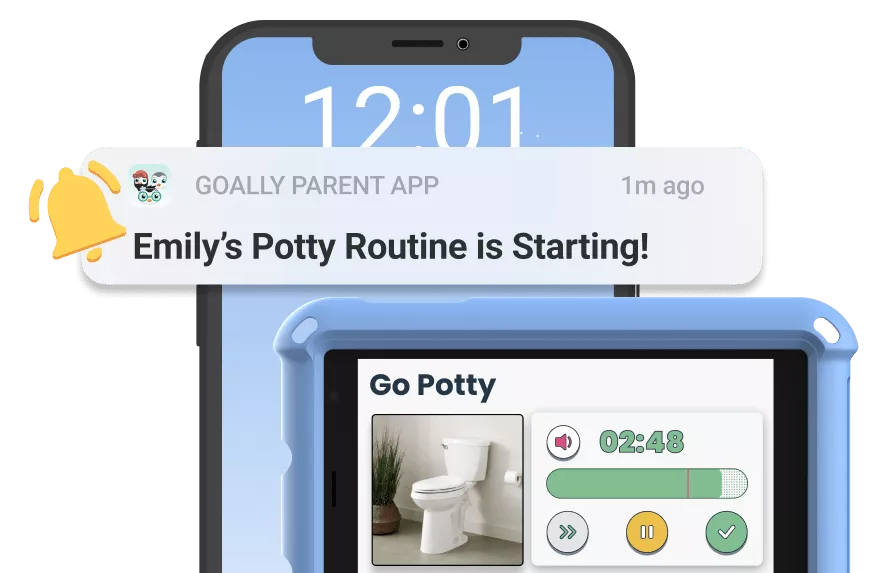
Timers can be beneficial tools for kids with ADHD. By offering a visual and auditory cue, timers can help keep children on task and break down activities into manageable chunks. In this blog, we’ll explore how timers can assist kids with ADHD in managing time and completing daily tasks.
- Timers offer structure and improve focus for neurodivergent kids.
- They help with transitions and prevent overwhelming situations.
- There are many types of timers that work well for different ages and needs.
- Learn practical tips on timers to help kids with ADHD stay on task.
Are timers good for ADHD? Yes! Timers are great tools for ADHD management because they break tasks into smaller, achievable segments, helping kids stay focused. Visual and auditory cues from timers also help kids understand time and transitions.
Table of Contents
How Do Timers Help Kids with ADHD?
Timers provide a clear and understandable way for kids with ADHD to measure time, which can often feel abstract. When a timer is set, it offers a visual or auditory cue, guiding kids through activities and transitions. For example, you might use a timer to help a child spend 10 minutes on homework and then transition to a break. This system helps them manage time and reduces anxiety about how long tasks will take.
When kids know a timer is ticking, they have a tangible way to measure how much time is left, which helps them stay focused. It’s not just about keeping track of time, though—it’s about providing structure in a way that works for them. Whether it’s 5 minutes or 30 minutes, the timer breaks up time into bite-sized chunks, making it easier to manage.

Read more: Getting Kids with ADHD to Focus
Benefits of Using Timers for ADHD
Using timers can be especially helpful in improving attention and reducing overwhelm. For kids with ADHD, timers can be a game-changer (without saying that phrase!). Here are some of the major benefits:
- Structure and Routine: Timers provide clear expectations for how long a task or activity will last. This structure helps kids with ADHD understand the boundaries of time and tasks.
- Improved Focus: When a child knows the clock is ticking, it creates a sense of urgency, making them more likely to stay focused and complete tasks.
- Transition Help: Switching between activities can be tough for kids with ADHD, but timers give them a heads-up, which makes transitions smoother.
Timers help kids become more aware of how long activities take and offer an external motivator for completing tasks. I’ve seen kids light up with excitement when they beat the timer or finish a task in the time allowed.
Types of Timers for ADHD
Many different types of timers can be effective for kids with ADHD, depending on their specific needs. Some options include:
- Visual Timers: These show time passing through images, like a red portion that gets smaller as time runs out. Visual cues make it easier for kids to understand the concept of time.
- Auditory Timers: These timers beep or ring when time is up. Auditory timers are good for kids who respond well to sound prompts.
- Countdown Timers: These are digital timers that display the time left. They work well for older kids who can read numbers easily and benefit from watching the time count down.
Each type of timer works differently for each child, so it’s important to experiment to see which resonates best with your kid. In my professional experience, I’ve found that visual timers work particularly well for younger children or kids who struggle with understanding numbers.
When to Use Timers with Kids with ADHD
Timers can be used throughout the day for a variety of purposes. Some of the most common times to use a timer include:
- Homework: Setting a timer for 15 or 20 minutes can help kids stay focused on homework, giving them a clear end goal.
- Chores: Timers can motivate kids to complete small tasks like cleaning their room within a set time.
- Breaks: Timers can also be used to help kids know how long their breaks will last, ensuring they don’t get off track.
- Transitions: Use a timer when transitioning from one activity to another to give kids a sense of closure on the current task.
Incorporating timers into daily routines helps kids better understand and manage their time. For example, I’ve often seen timers make a huge difference during after-school routines. Instead of feeling overwhelmed by the number of things they have to do, the kids I work with feel empowered by the clear time limits set by timers.

Read more: Timers for Kids With ADHD and Autism
Are There Downsides to Using Timers?
While timers can be a helpful tool for many kids with ADHD, they aren’t without their challenges. Some kids may feel pressured or stressed by the ticking clock. It’s important to introduce timers in a way that feels fun and supportive, not like an additional stressor.
In some cases, kids might become too focused on the timer, worrying more about the clock than the task. If this happens, it’s a good idea to adjust the approach—maybe try a less intrusive type of timer, like one that is visual but doesn’t make noise. In my experience, adjusting how a timer is used can make a big difference. Some kids need a softer approach, and that’s totally okay.
Tips for Successfully Using Timers for ADHD
To get the most out of using timers, here are a few practical tips:
- Start Small: Begin with shorter periods for younger kids or those who are new to using timers.
- Make it Fun: Turn it into a game by challenging kids to “beat the timer” for certain tasks like putting away toys or getting ready for bed.
- Use Rewards: Provide a small reward, like extra playtime, if they successfully stick to the timer’s rules.
- Be Consistent: Consistently using timers throughout the day helps create structure and routine for kids with ADHD.
Timers should be seen as a tool, not a strict rule. Flexibility in how they’re used is key to success.
Try Goally For Your Child With ADHD
Goally helps kids with ADHD stay focused and build skills. Unlike a Kindle or an iPad that kids get easily distracted on, Goally has no YouTube, no social media, no web browser, and especially no ads.
Goally uses game play as a points-based motivator for your kiddo with ADHD and helps them learn emotional regulation skills. It’s simple to set up and has an expert-informed design.

Timers can be an excellent tool for helping kids with ADHD manage their time better. They offer structure, improve focus, and make transitions smoother. With the right type of timer and consistent use, you can make daily routines more accessible and more manageable for your child.
Resources:
FAQs About Timers and ADHD
What is the role of timers in managing ADHD?
Timers help in managing ADHD by providing a visual or auditory structure, which aids in improving focus and teaching essential time management skills.
How can timers aid in improving focus for ADHD kids?
Timers help improve focus by setting a specific task duration, which aids children with ADHD in concentrating on the task at hand and minimizing distractions.
What types of timers can be used for kids with ADHD?
Different types of timers like visual, auditory, and vibrating timers can be used, each catering to specific needs of children with ADHD.
How are timers beneficial in managing screen time for ADHD kids?
Timers can effectively regulate screen time by setting clear boundaries, teaching kids healthier digital habits and helping to balance their daily activities.
How can timers assist in behavior management for kids with ADHD?
Timers provide a clear structure for timeouts, helping kids practice self-control and understand the consequences of their actions in a set timeframe.
This post was originally published on April 16, 2023. It was updated on Sept. 26, 2024.

Hennah is an experienced writer and researcher, helping children with autism, ADHD, and other neurodivergent conditions. As a blog contributor for Goally, she combines her deep understanding of neurodiversity with practical advice, offering valuable insights to parents and educators.