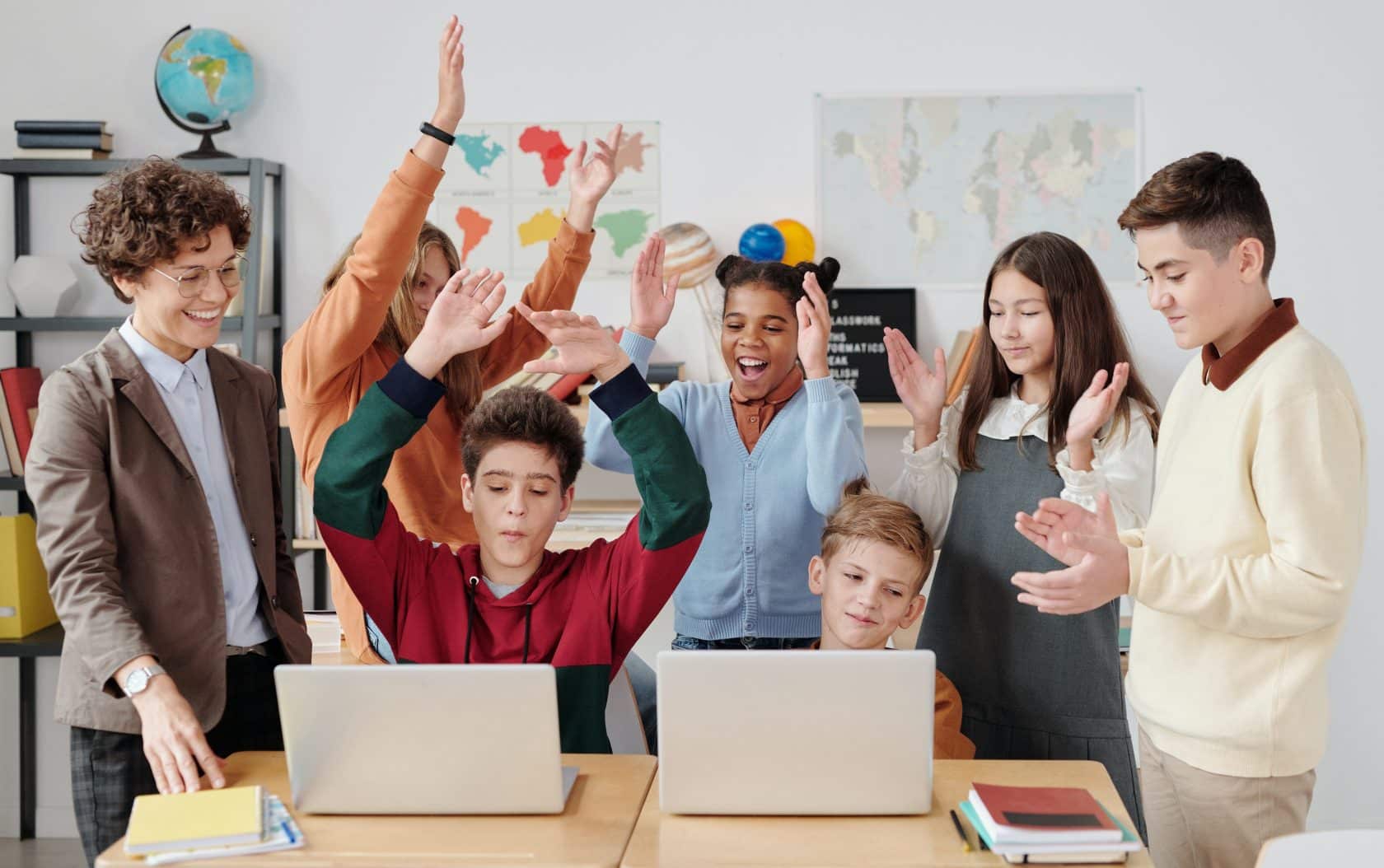
Inclusive education creates an environment where all students, including those with special needs, learn together. Here are some examples of how it works:
- Collaboration: Students with and without disabilities work together in the same classroom, fostering teamwork and mutual support.
- Differentiated Instruction: Teachers adapt their teaching methods to accommodate individual learning needs, ensuring that every student can participate and understand.
- Assistive Technology: Various tools and technologies are used to support students with disabilities, such as text-to-speech software or adaptive devices.
- Individualized Support: Students with special needs receive personalized support and accommodations tailored to their unique requirements.
- Co-Teaching: Special education teachers collaborate with general education teachers to provide comprehensive instruction and support in the classroom.
Inclusive education promotes a diverse and inclusive society by breaking down barriers and nurturing empathy. It offers equal opportunities for all students to learn, grow, and succeed. Goally, our tablet, aids kids in inclusive education by offering apps for digital visual schedules, AAC, gamified learning, and skills training. It teaches life skills, language development, emotional regulation, executive functioning, and social skills, promoting their success in inclusive classrooms.
This post was originally published on April 11, 2023. It was updated on July 8, 2023.