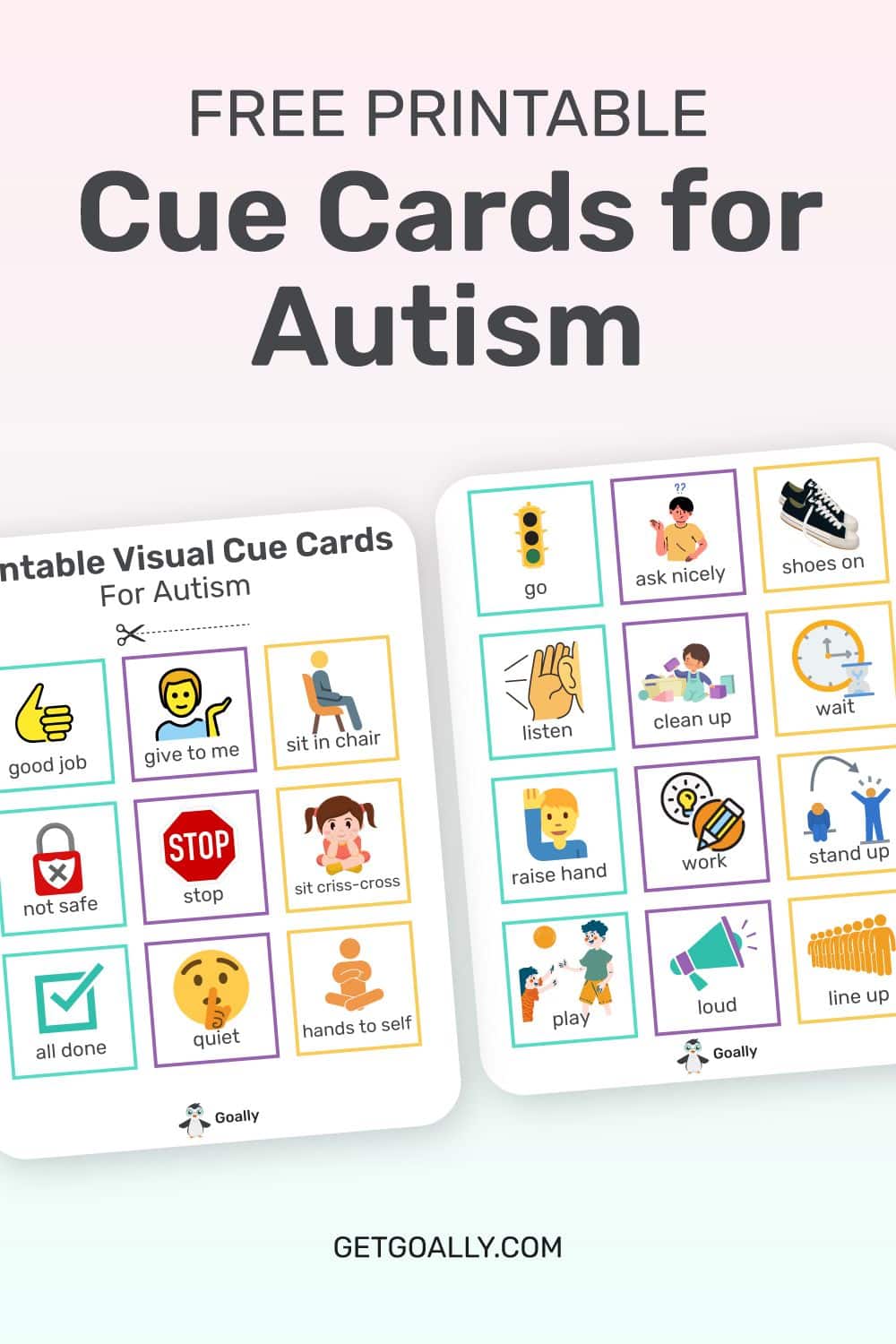
Nonverbal communication is when people use their bodies, faces, or actions to show what they mean instead of talking. It’s like talking without words, using things like gestures, facial expressions, and eye contact.



Nonverbal communication is when people use their bodies, faces, or actions to show what they mean instead of talking. It’s like talking without words, using things like gestures, facial expressions, and eye contact.


Can nonverbal communication be learned and improved?
Yes, like any skill, nonverbal communication can be learned, improved, and practiced. By paying attention to your own and others’ nonverbal cues, you can become more aware and skilled at communicating nonverbally.
Can nonverbal communication sometimes contradict verbal communication?
Yes, nonverbal communication can sometimes contradict or overshadow verbal communication, leading to misunderstandings or mixed messages. It is important to be aware of both verbal and nonverbal communication to fully understand a message.
Can nonverbal communication be used in different cultures?
Yes, nonverbal communication is used in every culture, but the meaning of nonverbal cues can vary from culture to culture. It is important to be aware of cultural differences and avoid making assumptions about the meaning of nonverbal cues in different cultural contexts.


Nonverbal communication refers to the ways people convey messages without using words. This includes body language, facial expressions, gestures, and eye contact. For kids with developmental disabilities, understanding and using nonverbal communication can be crucial. Research shows that over 70% of communication is nonverbal, making it essential for social interactions.

Several neurodevelopmental conditions can impact a child’s ability to understand and use nonverbal communication effectively.
| Condition | Nonverbal Communication Challenges |
|---|---|
| Autism Spectrum Disorder | Difficulty recognizing facial expressions, gestures, and social cues |
| Attention Deficit Hyperactivity Disorder (ADHD) | Trouble with eye contact, personal space, and impulse control |
| Social Communication Disorder | Challenges using and understanding nonverbal cues in social contexts |
By understanding how these conditions can affect nonverbal communication, parents can better support their child’s unique needs and help them build vital social skills.
This post was originally published on Feb. 15, 2023. It was updated on June 14, 2024.