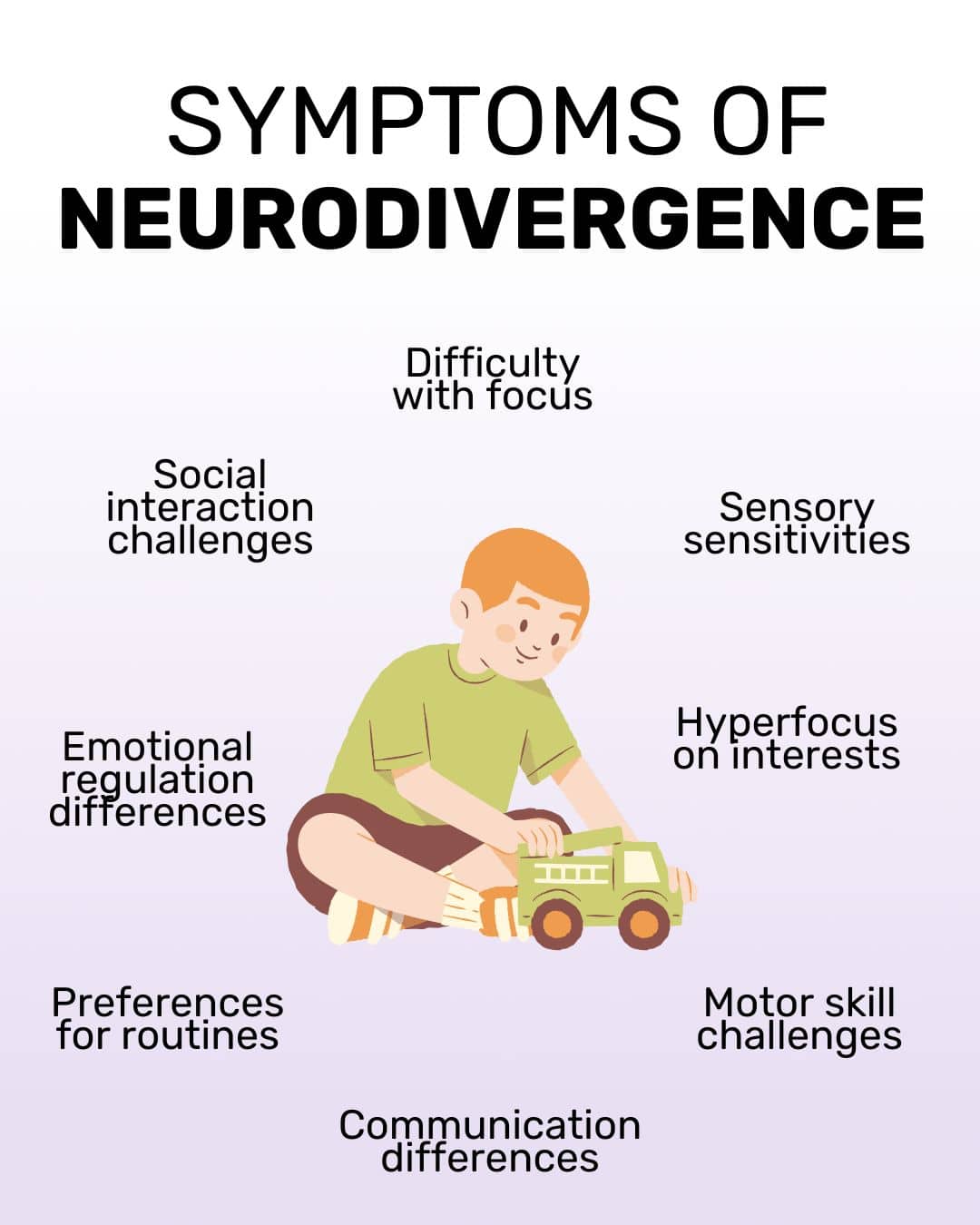
The neurodiversity paradigm promotes acceptance of diverse brain functioning, emphasizing the value of individual strengths and abilities. It envisions a world where everyone is appreciated for their unique qualities.



The neurodiversity paradigm promotes acceptance of diverse brain functioning, emphasizing the value of individual strengths and abilities. It envisions a world where everyone is appreciated for their unique qualities.


How does the neurodiversity paradigm differ from the medical model of disability?
The medical model of disability views neurological differences as problems to be fixed or cured, while the neurodiversity paradigm views these differences as natural variations that should be accepted and accommodated.
Does the neurodiversity paradigm mean that people with neurological differences don't need any support or help?
No, the neurodiversity paradigm recognizes that people with neurological differences may need support and accommodations to help them navigate the world, but it emphasizes the importance of empowering individuals to make their own choices and live fulfilling lives.
How can the neurodiversity paradigm benefit society as a whole?
The neurodiversity paradigm promotes a more inclusive and accepting society that values and celebrates diversity. By recognizing and accommodating the unique strengths and abilities of people with neurological differences, we can create a more innovative, creative, and diverse world.
Is the neurodiversity paradigm only applicable to certain conditions?
No, the neurodiversity paradigm encompasses a wide range of neurological differences, including autism, ADHD, dyslexia, and more, highlighting that all brains are unique and valuable.


The neurodiversity paradigm is a perspective on the diversity of brains and minds, asserting that varying cognitive functions are natural and should be embraced. This encompasses individuals with conditions like autism, ADHD, dyslexia, among others. Instead of imposing uniformity, it encourages valuing and respecting these differences, advocating for acceptance and support, and highlighting the unique strengths and abilities associated with neurological diversity. Ultimately, the aim is to foster a society where everyone is appreciated and accepted for their individuality.

The neurodiversity paradigm operates by embracing and valuing neurological differences, promoting inclusivity and acceptance. Here are some examples of how this concept is put into action:
| Key Concepts | Description |
|---|---|
| Recognizing diverse strengths | The neurodiversity paradigm acknowledges that individuals with neurological differences possess unique strengths and abilities. |
| Challenging stereotypes | It challenges negative stereotypes and misconceptions about neurodivergent individuals, fostering a more inclusive society. |
| Providing accommodations | The neurodiversity paradigm encourages the provision of reasonable accommodations to support individuals in various settings, such as education and the workplace. |
| Promoting self-advocacy | It empowers individuals with neurological differences to advocate for their own needs, promoting self-determination and autonomy. |
| Celebrating diversity | The neurodiversity paradigm promotes the celebration of neurological diversity as a valuable aspect of human variation. |
In conclusion, the neurodiversity paradigm works by embracing strengths, challenging stereotypes, providing accommodations, promoting self-advocacy, and celebrating diversity.
This post was originally published on Feb. 15, 2023. It was updated on Jan. 3, 2024.