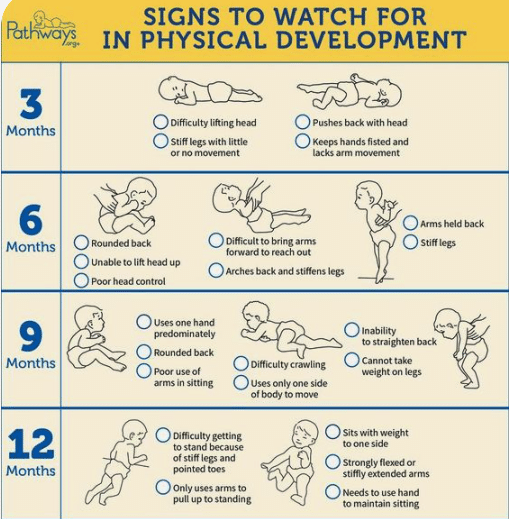
Understanding benchmarks is essential for assessing and supporting your child’s progress. Here’s what you need to know:
- Benchmarks are based on extensive research and knowledge of typical child development.
- They outline specific skills, behaviors, or milestones expected at different ages or stages.
- Professionals use benchmarks to evaluate your child’s development and identify areas that may need extra support.
- Benchmarks cover cognitive, social, emotional, and physical domains.
- Examples include crawling, walking, speaking single words, making friends, and solving simple math problems.
- Benchmarks guide the creation of individualized education plans (IEPs) and goal setting.
- Comparing your child’s progress to benchmarks helps track growth and identify strengths and areas needing focus.
- Benchmarks empower parents to advocate for appropriate support and interventions.
- Remember, benchmarks are flexible guidelines, not strict requirements, especially for children with special needs.
- Celebrate your child’s progress, regardless of how it aligns with benchmarks, to foster a positive and inclusive environment.
By understanding and embracing benchmarks, you can actively participate in your child’s growth journey and promote their overall well-being. Goally, a tablet-based tool, supports benchmarks by providing apps and features that help children with special needs build life and language skills. Through digital visual schedules, AAC, gamified learning, emotional regulation training, executive functioning skill-building, and social skills training videos, Goally aids children in reaching developmental milestones and fostering overall growth.
This post was originally published on June 12, 2023. It was updated on July 18, 2023.